Planning a redesign? A Heuristic Evaluation Pinpoints What to Fix First

Running a business means juggling a hundred things at once, finances, team management, product development, marketing, and yes, your website. Your website works 24/7, but is it working the way it should? Or is it the silent roadblock keeping potential clients from moving forward?
That’s where a heuristic evaluation comes in. Think of it like taking your car to the mechanic for a tune-up. You might not know exactly what’s off, but a professional can pop the hood and spot what’s hurting performance.
What Is a Heuristic Evaluation?

A heuristic evaluation is a usability inspection method where experts review your website (or app) using a set of usability principles, called "heuristics." These principles help pinpoint usability issues that make your site frustrating, confusing, or hard to navigate.
The most commonly used set of heuristics comes from Jakob Nielsen, co-founder of the Nielsen Norman Group. His 10 Usability Heuristics for User Interface Design are the gold standard in the industry. They cover basics like consistency, error prevention, flexibility, and visibility of system status.
Why Your Website Might Need One
If any of these sound familiar, it’s time for a heuristic evaluation:
"People land on my site but don’t convert."
"I get traffic but very few leads or sales."
"Our bounce rate is through the roof."
"Clients say they were confused about navigating our services."
According to Forrester Research, a well-designed user interface can increase conversion rates by up to 200%, and better UX design overall can boost conversions by up to 400% (Forrester).
That’s not a small change, it’s your potential revenue walking away because of design flaws you might not even notice.
The Numbers Behind First Impressions
Your website isn't just a digital brochure — it's often the first interaction a potential client has with your business. The data reflects how much that moment matters:
Users form an opinion of your site in just 0.05 seconds — before they've read a single word (UX Design Institute)
88% of users won't return after a poor experience (Uxeria)
A well-designed interface can increase conversion rates by up to 200% (Behaviour & Information Technology Journal).
The point isn't that your site is broken. It's that small, intentional improvements compound — and a heuristic evaluation is how you find out exactly where to focus.
The Benefits and Why It’s Worth It
A heuristic evaluation helps you:
Strengthen Your Research Strategy by identifying exactly where deeper user research or testing is needed.
Boost Conversions by smoothing out the user journey.
Strengthen Trust with a site that feels polished and intentional.
Support Accessibility by identifying barriers for all users.
Gain Clarity on what’s working, and what’s not, without guesswork.
It’s especially useful before a redesign, during a growth phase, or when your analytics raise red flags but don’t explain why.
What Does a Heuristic Evaluation Actually Look Like?
The process is more straightforward than it sounds. It typically involves three stages:
Defining goals and user tasks — what should a visitor be able to do on your site? Book a call, make a purchase, find information?
A structured review — an evaluator works through your site against established usability heuristics, noting issues and rating their severity.
A prioritized report — not a list of problems, but a clear action plan ranked by impact.
Common issues that surface:
Buttons that don't look clickable
Navigation that asks users to make too many decisions
Forms with unclear instructions or unnecessary fields
No visual hierarchy — walls of text with nothing guiding the eye
Missing feedback when a user takes an action (submitted a form? Did it work?)
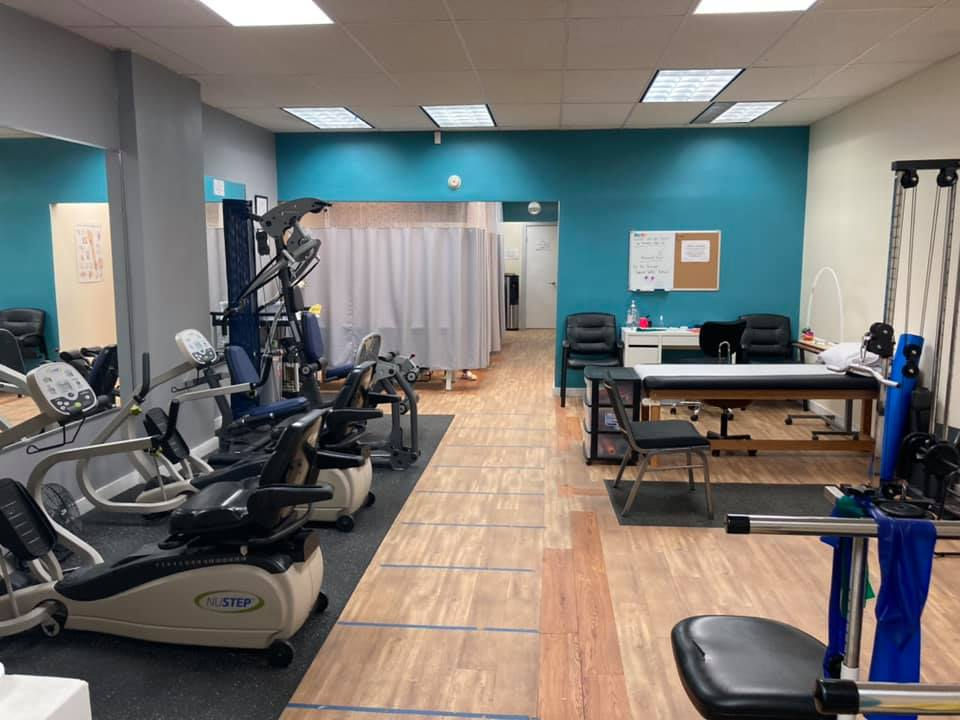
If you want to see what this looks like in practice, I recently completed an evaluation for MC Care, a small physical therapy practice. The changes are still being implemented, but the findings and recommendations are documented here — it's a good look at what the process actually produces.
It’s Not About Perfection, It’s About Progress
You don't need a full redesign to see results. Clearer button labels, a shorter form, or a single headline change can move the needle meaningfully. An evaluation gives you a ranked list — quick wins you can act on now, and bigger changes to plan for when you're ready.
Ready to See What's Holding Your Site Back?
If your site is getting traffic but not converting, or if something feels off but you can't pinpoint it, a heuristic evaluation is the clearest path to answers.
Full Evaluation — A comprehensive review with a prioritized report and actionable recommendations.
Free Partial Audit — Not ready to commit? Get a focused look at your 2-3 most critical UX issues, on us.
Your website is often the first impression a potential client has of your business. Make sure it's building trust, not quietly eroding it.
Comments